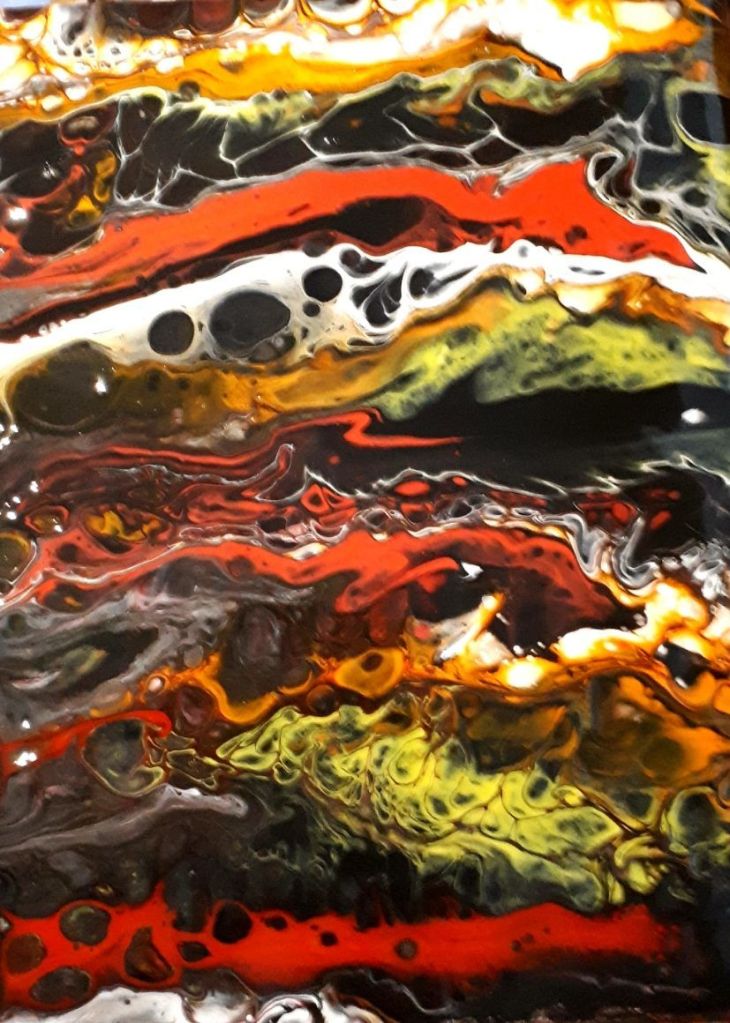
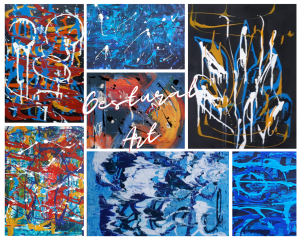
This type of fluid art, which calls for pouring or dripping paint across a surface, can create dynamic abstract paintings.

This type of fluid art, which calls for pouring or dripping paint across a surface, can create dynamic abstract paintings.
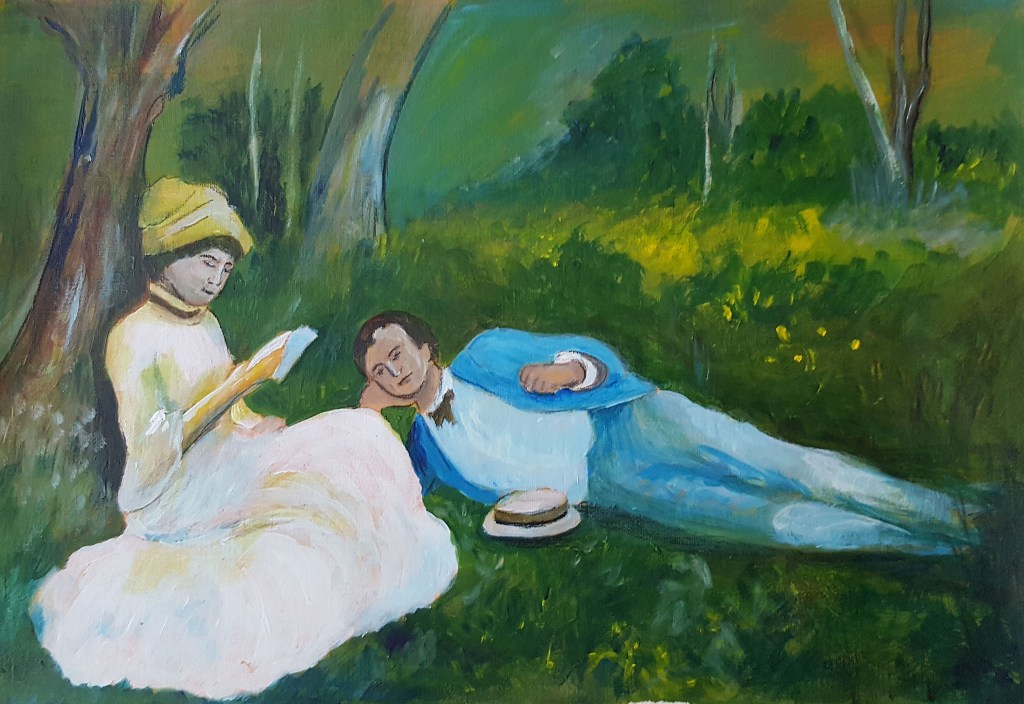
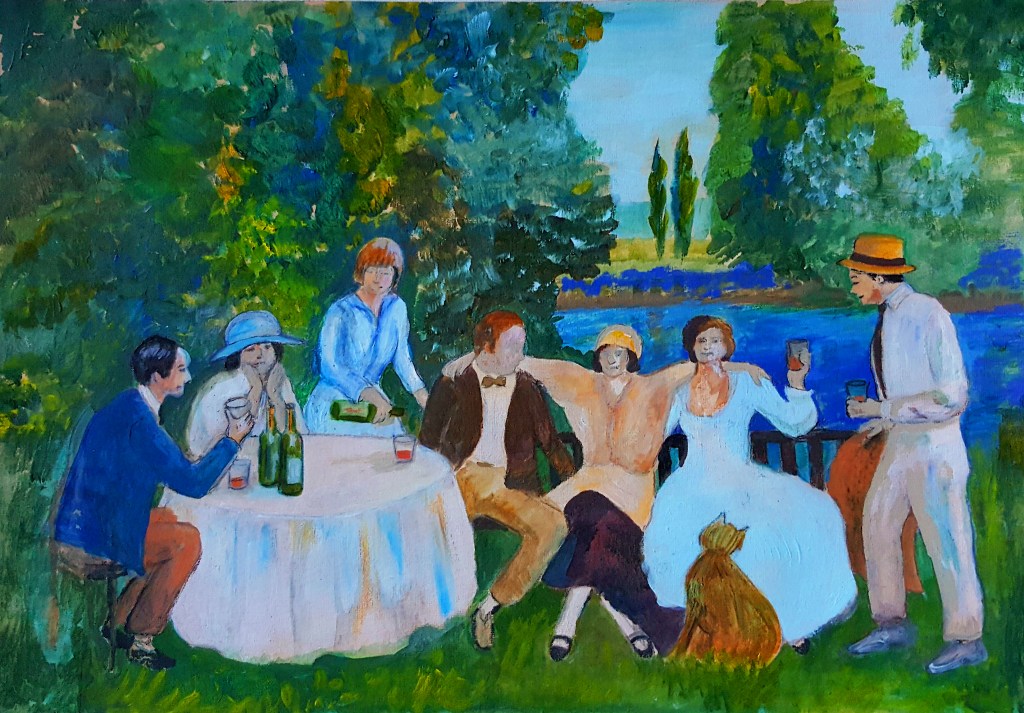
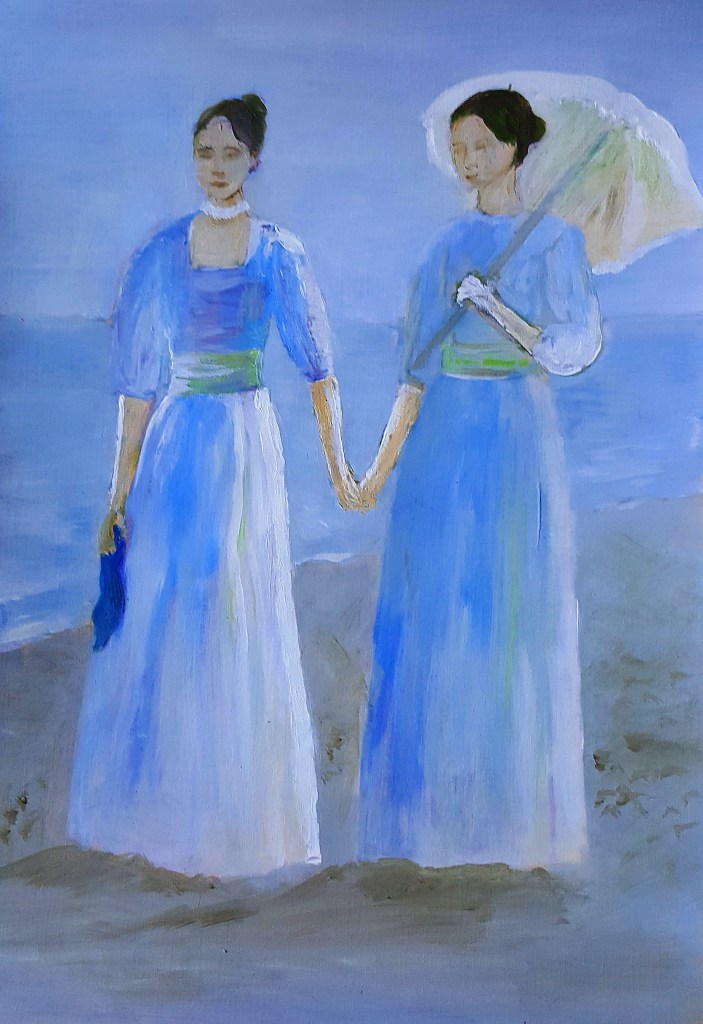
Impressionists focused on the effect of light, especially at dawn or dusk and at the golden hour.
They used distinctive fast brushstrokes rather than delicately painted details and used bright or highly pigmented paint to make the work vivid.
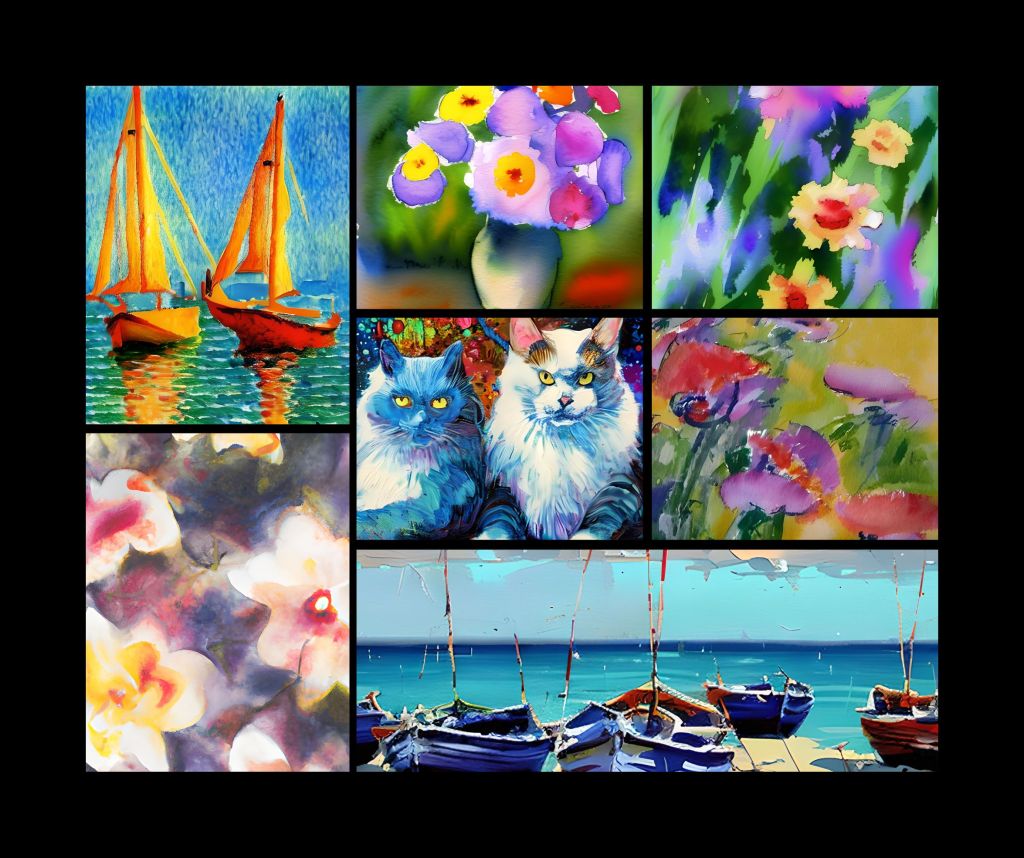
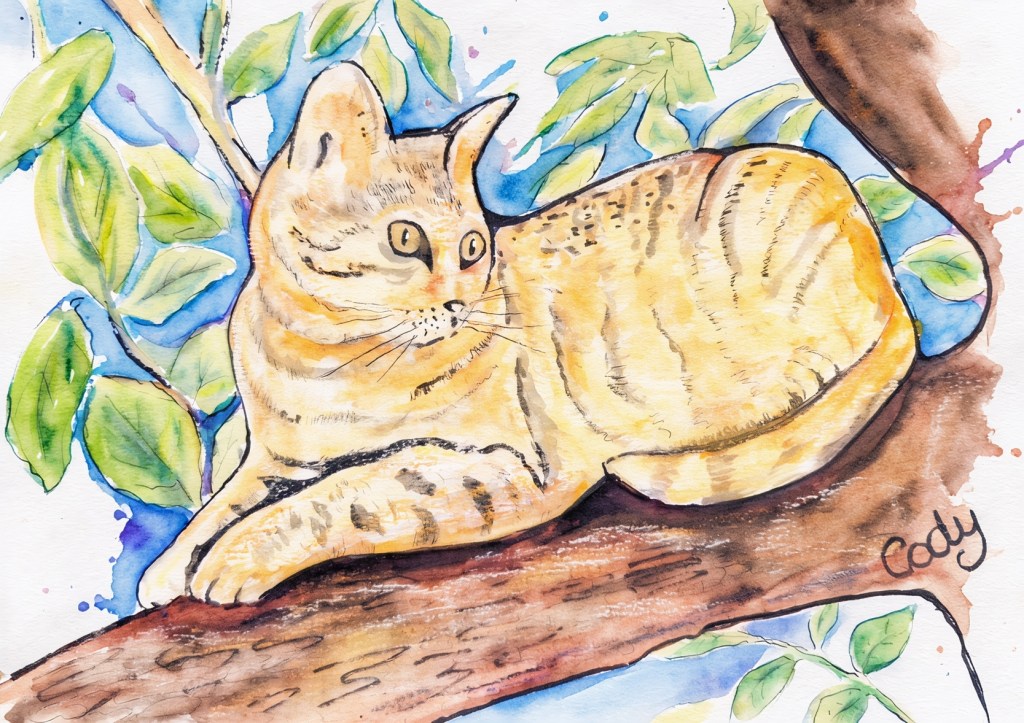
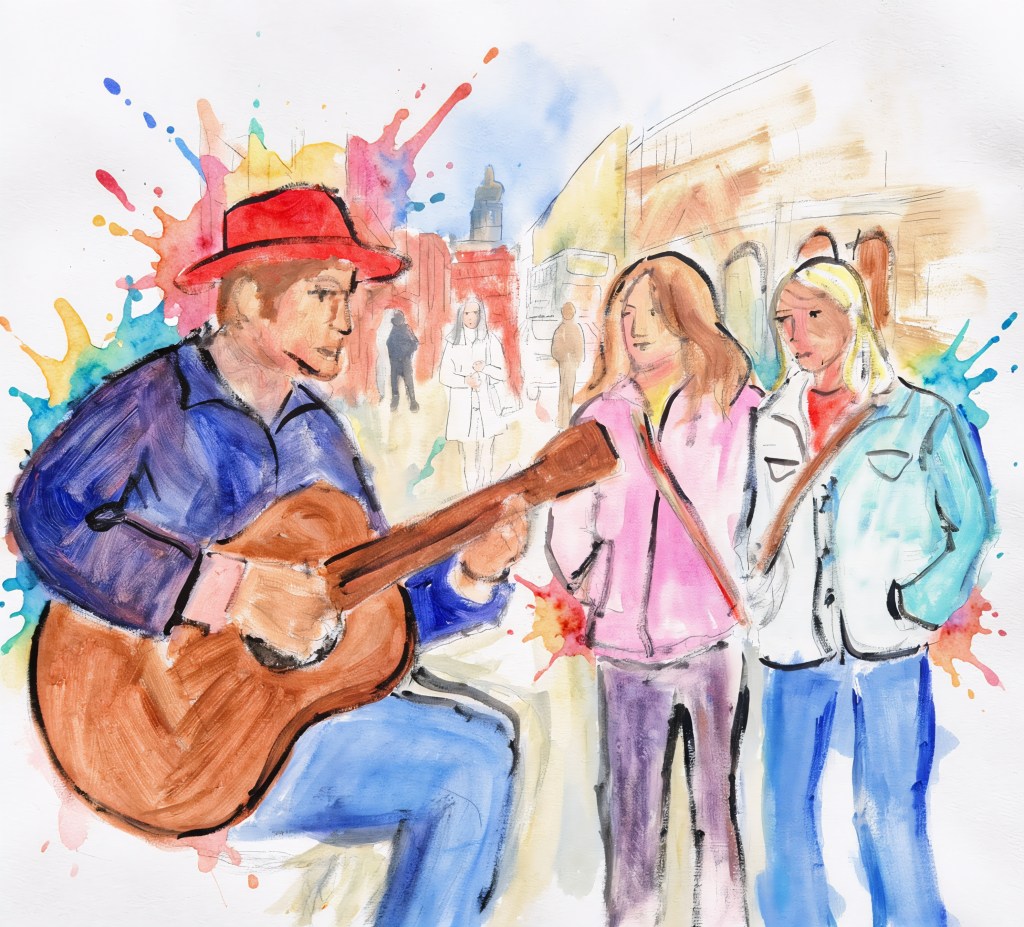
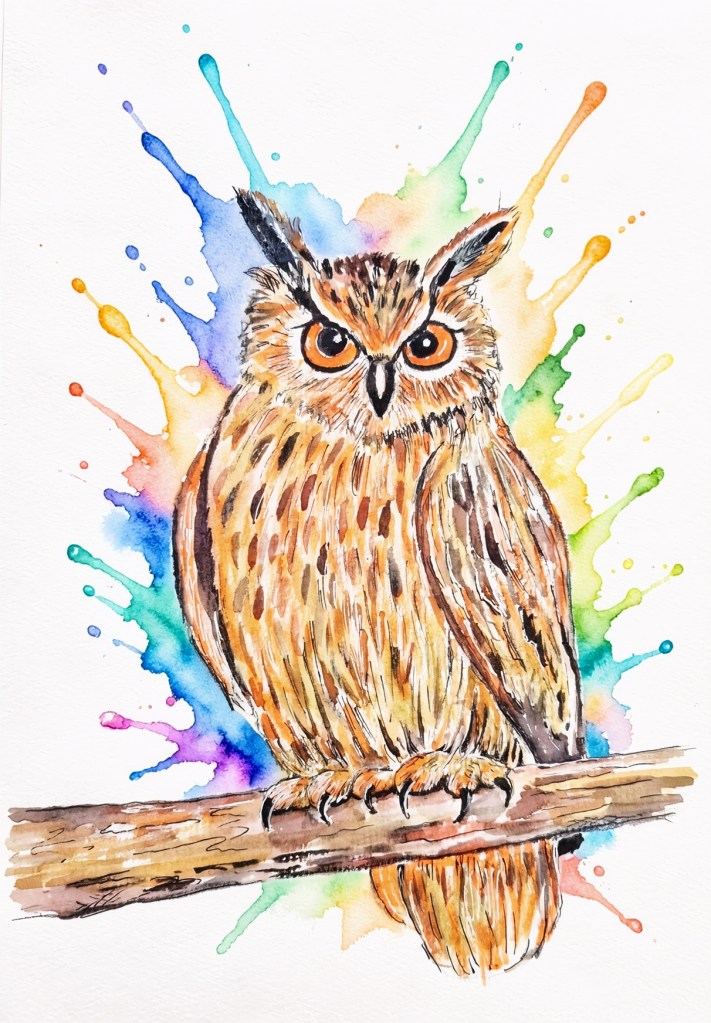
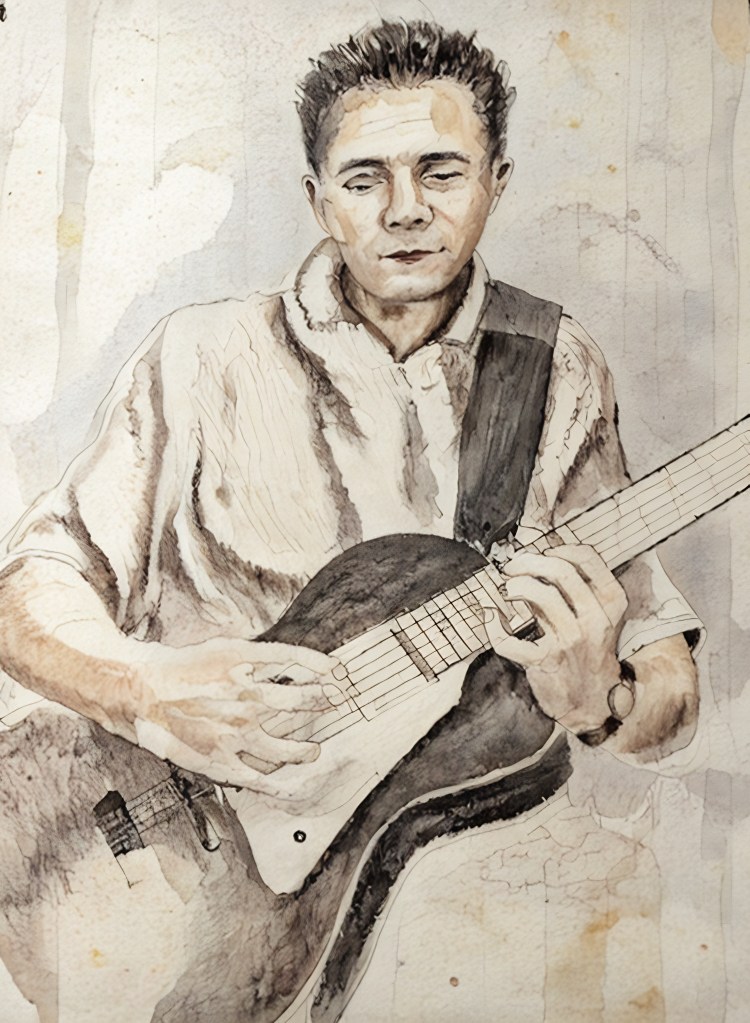
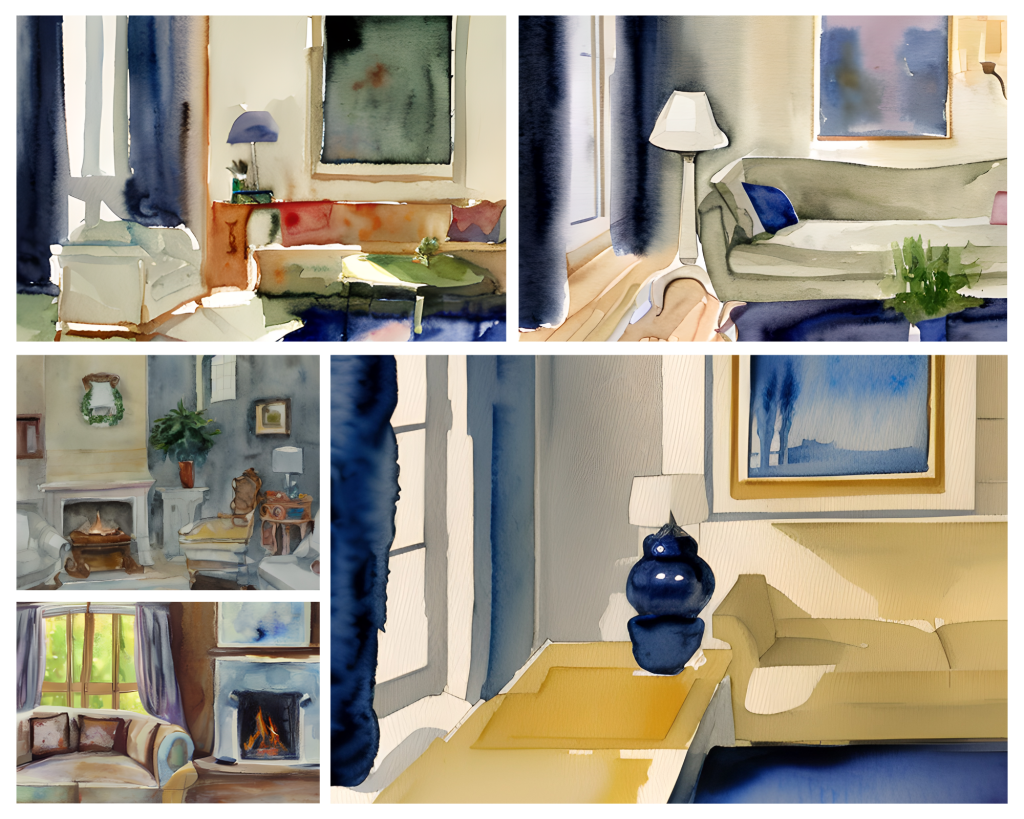
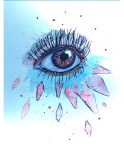
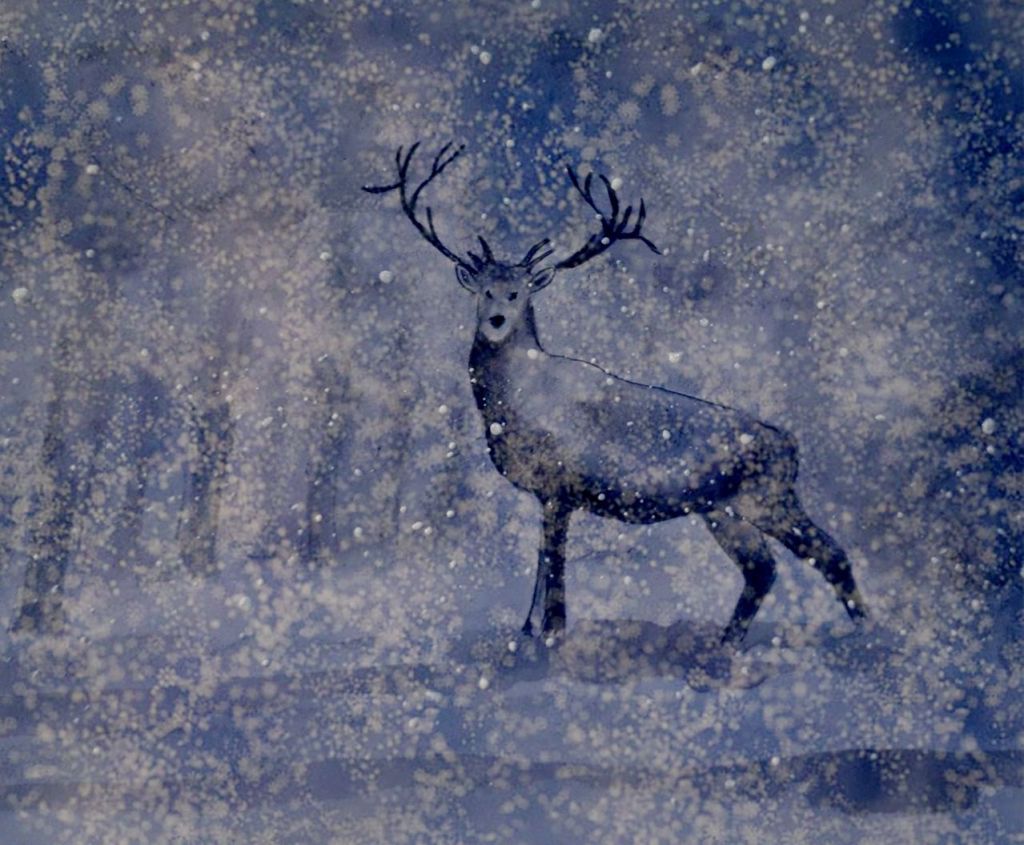
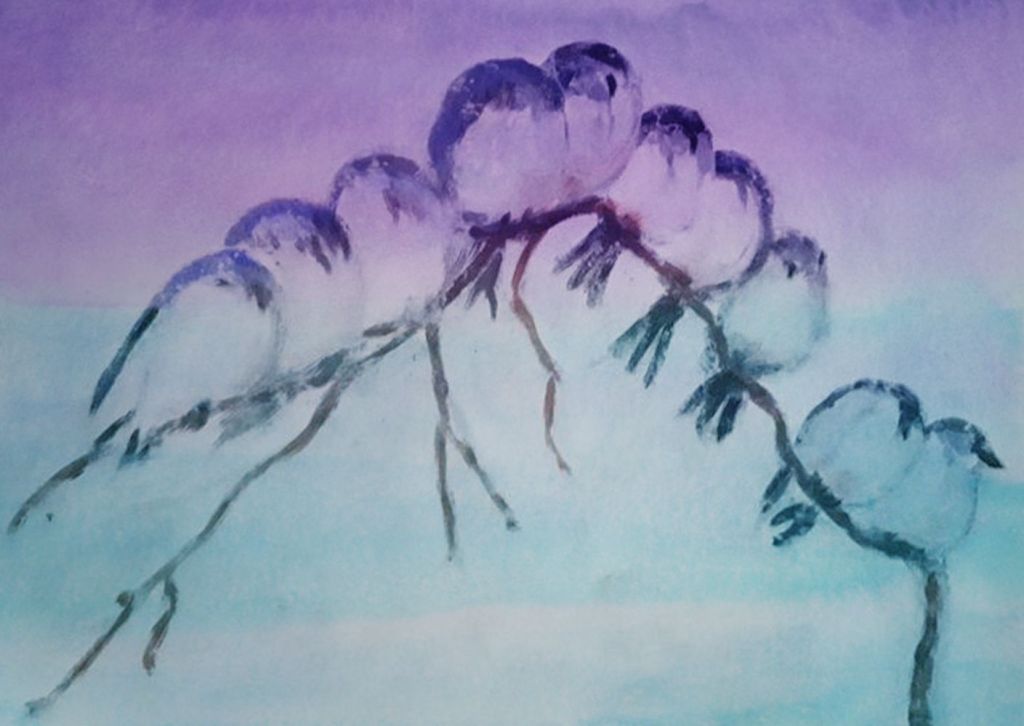
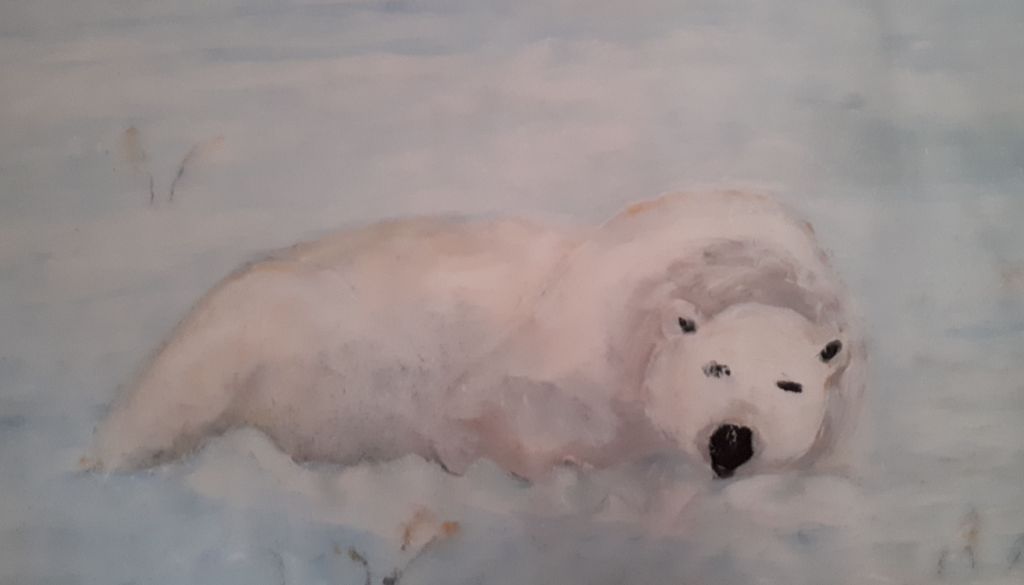
Watercolour painting is the process of painting with pigments that are mixed with water. Of all the painting processes, watercolour painting is known for its delicacy and subtlety because watercolour art is all about thin washes and transparent colour (though watercolours can be made opaque with the addition of Chinese white). Traditionally, watercolour artists work on paper.
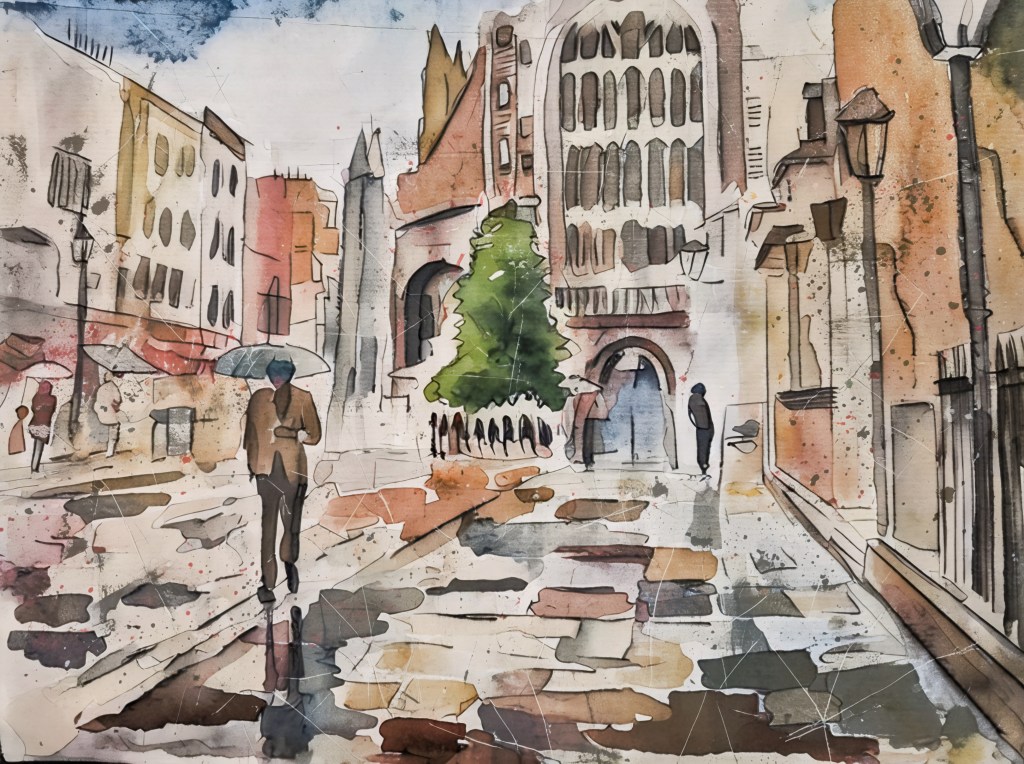
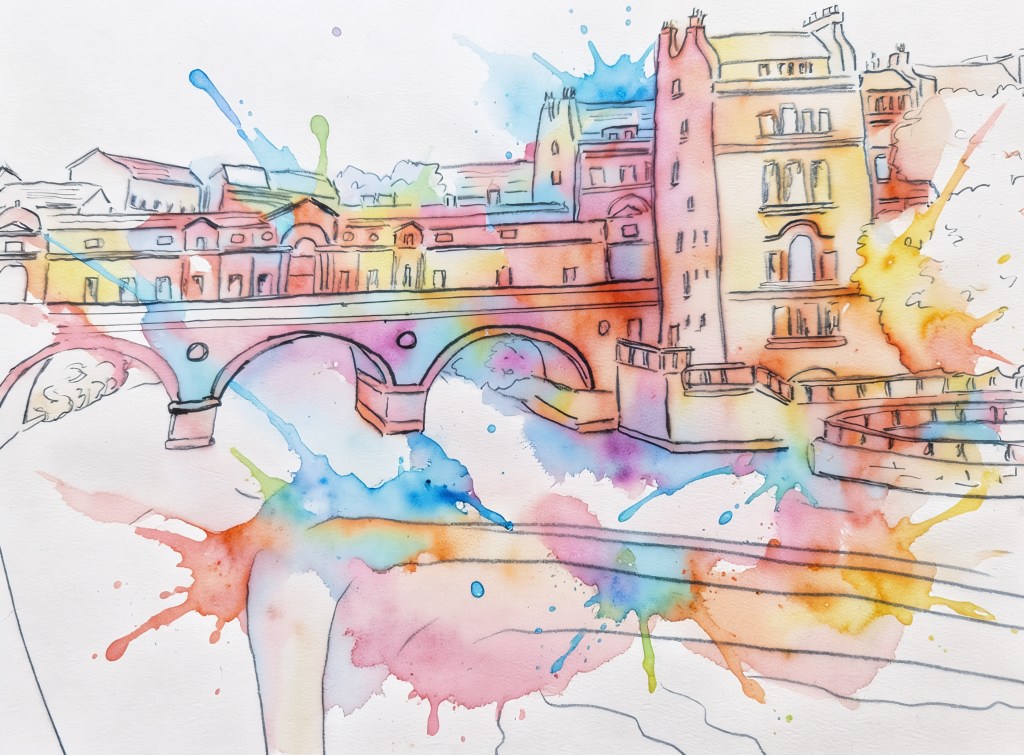
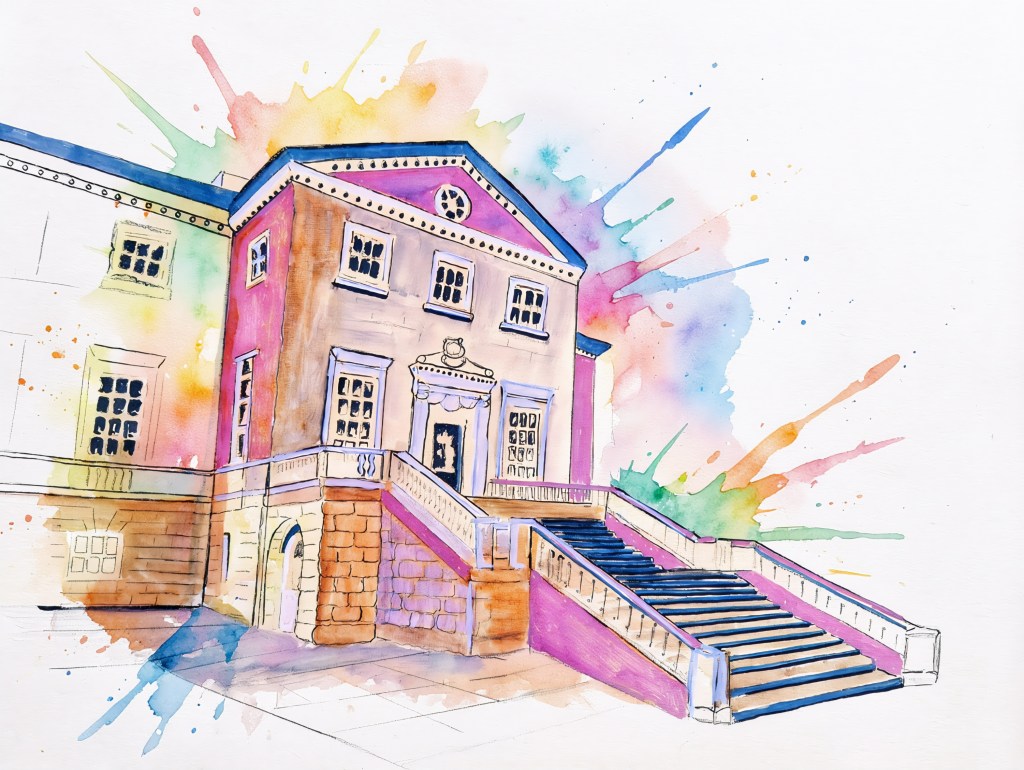
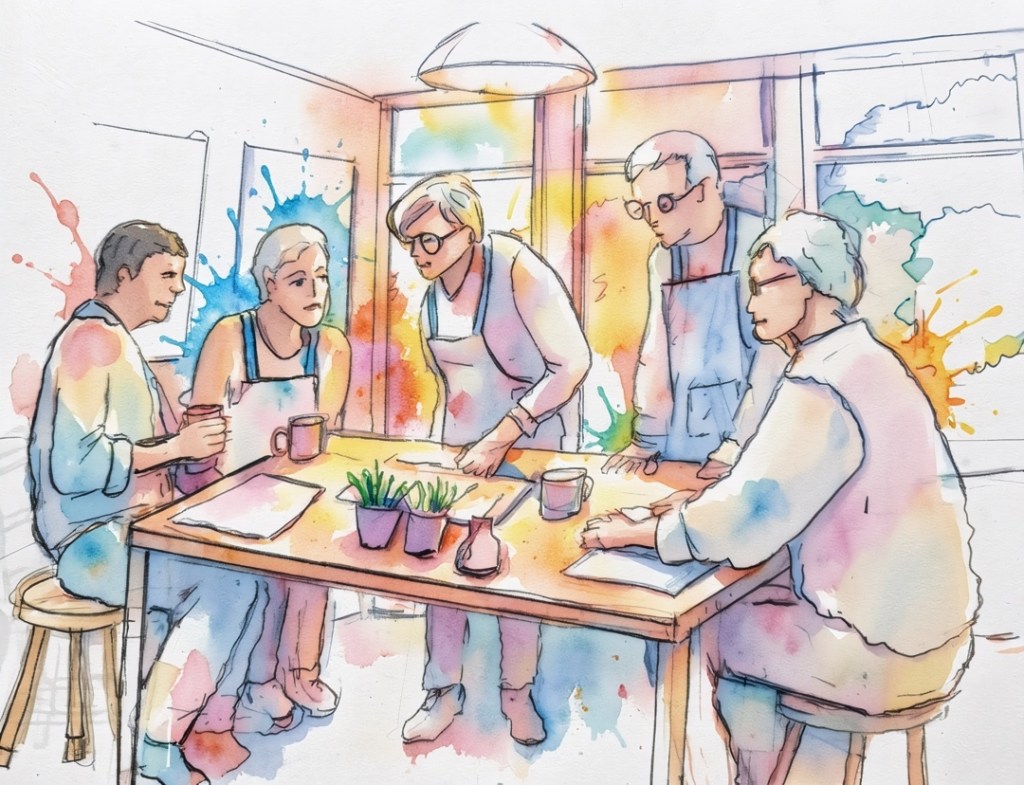
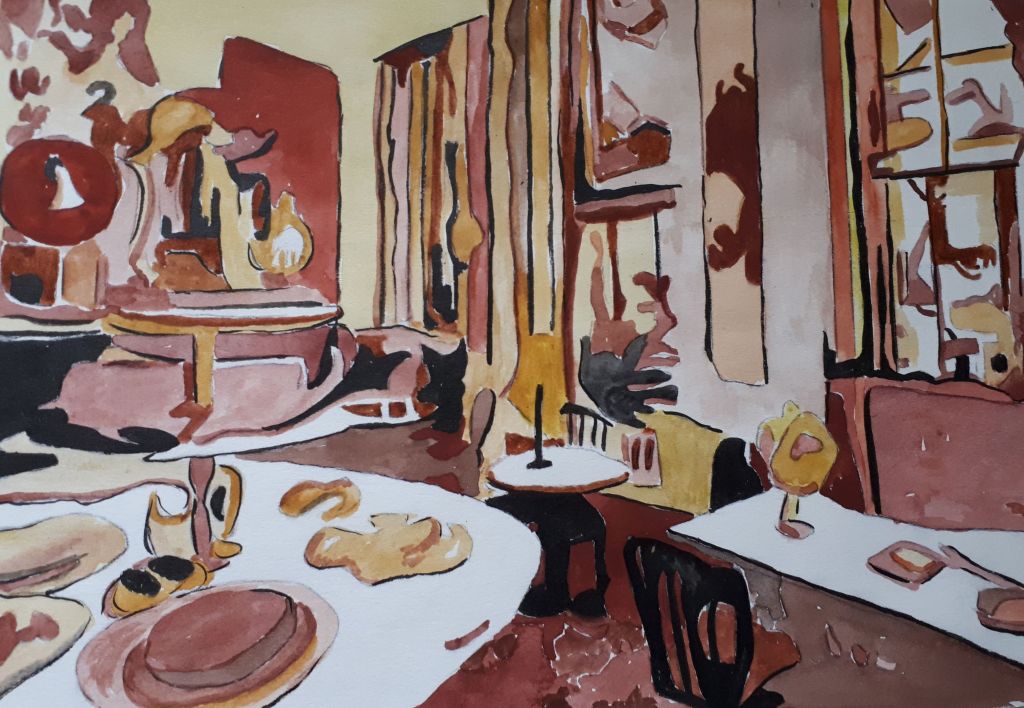
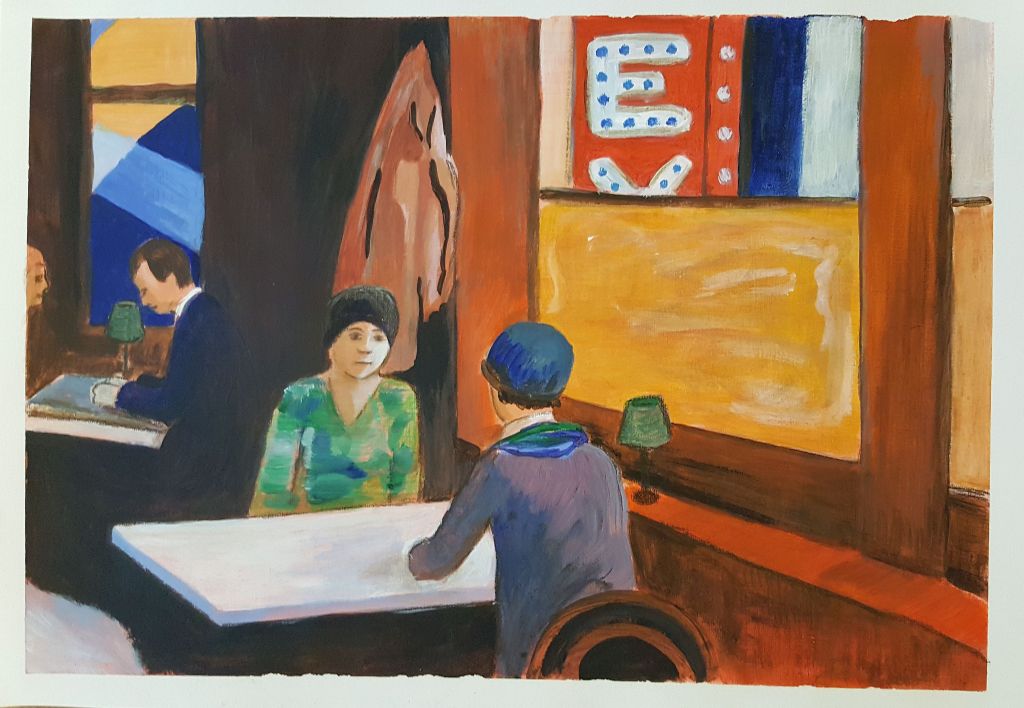
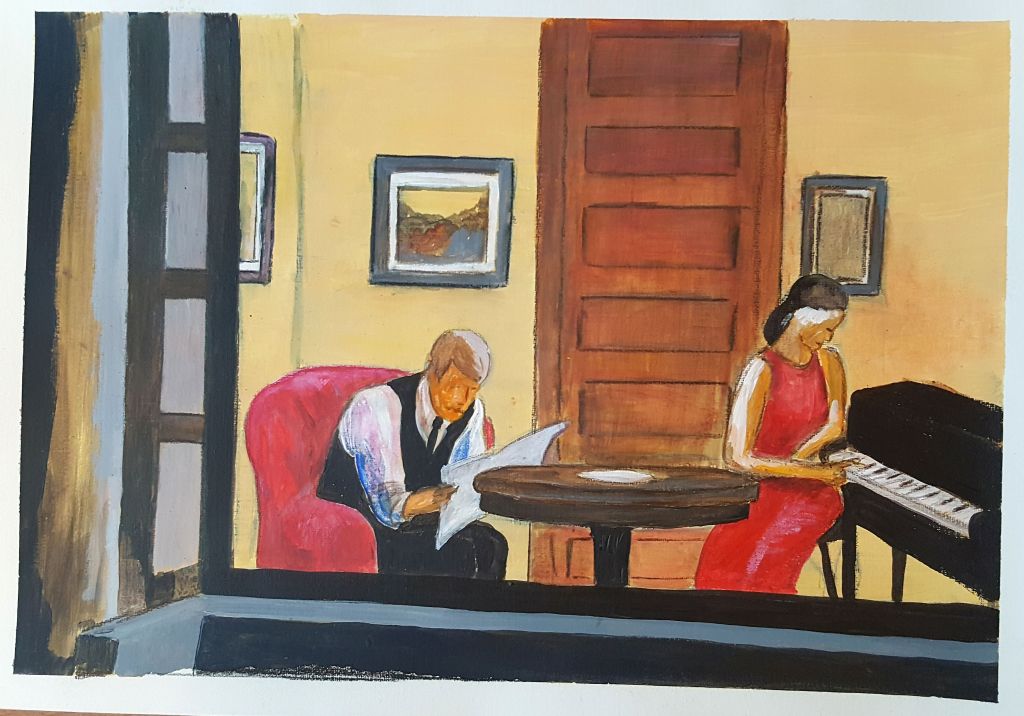
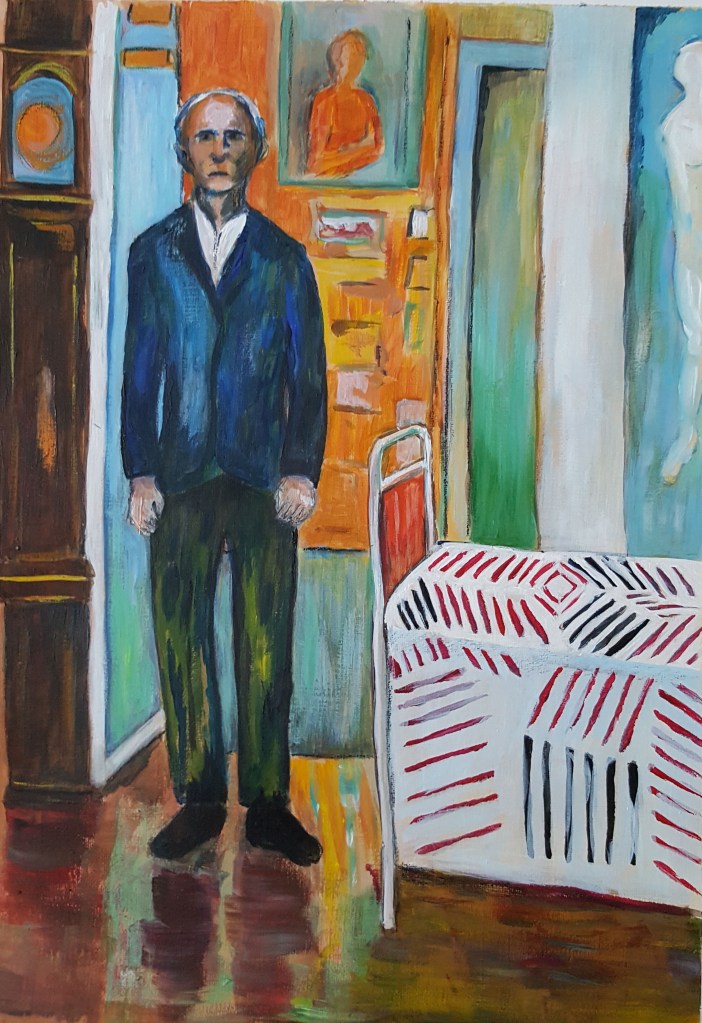
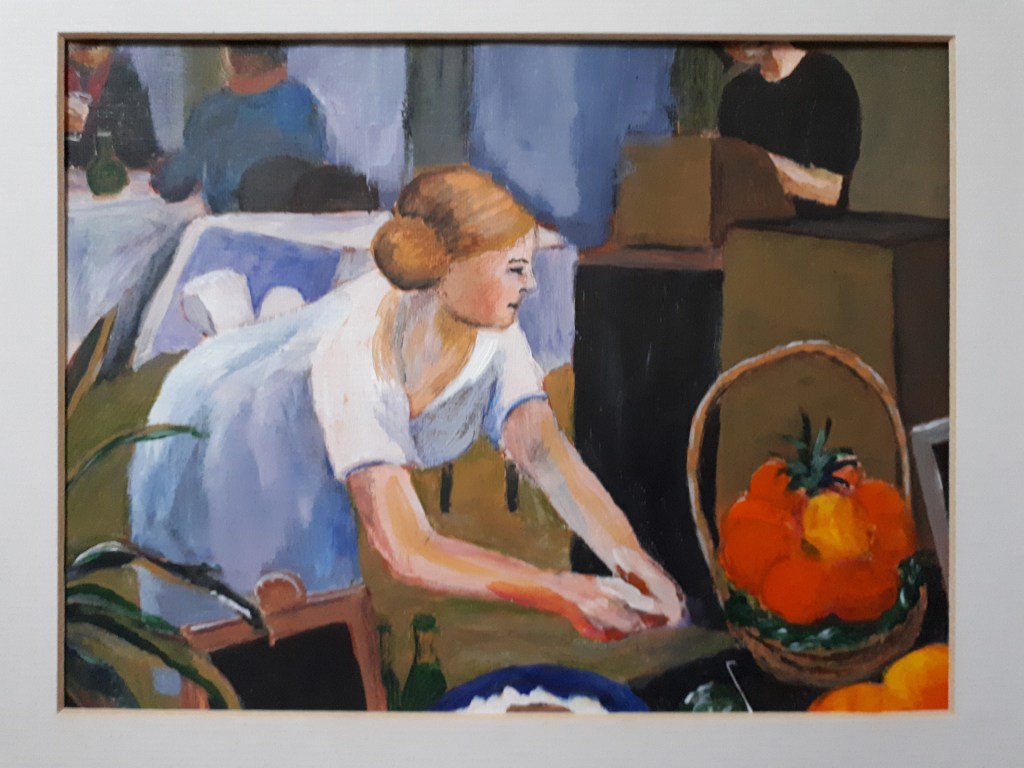
Interior painting is an image of the interior decoration of a room or building on the canvas. Art critics called this genre “chamber art”.


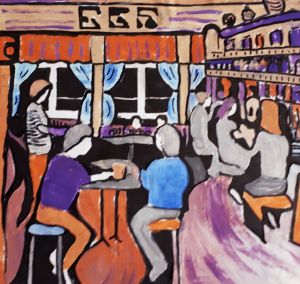
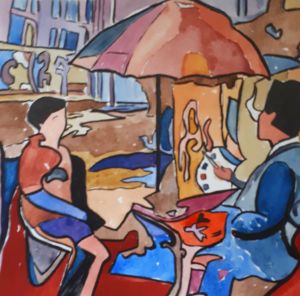
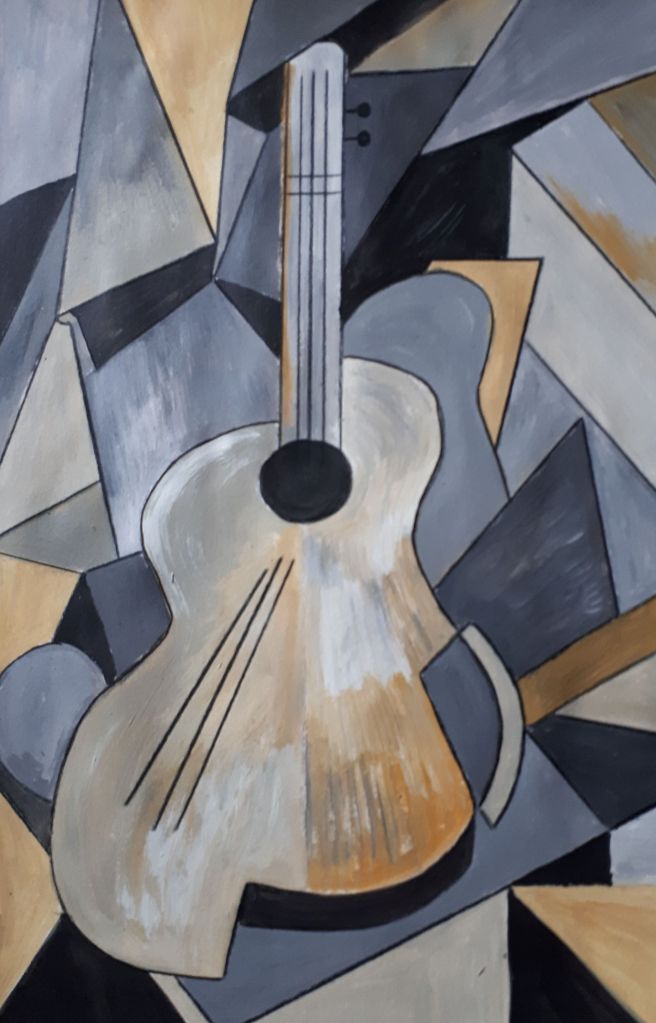
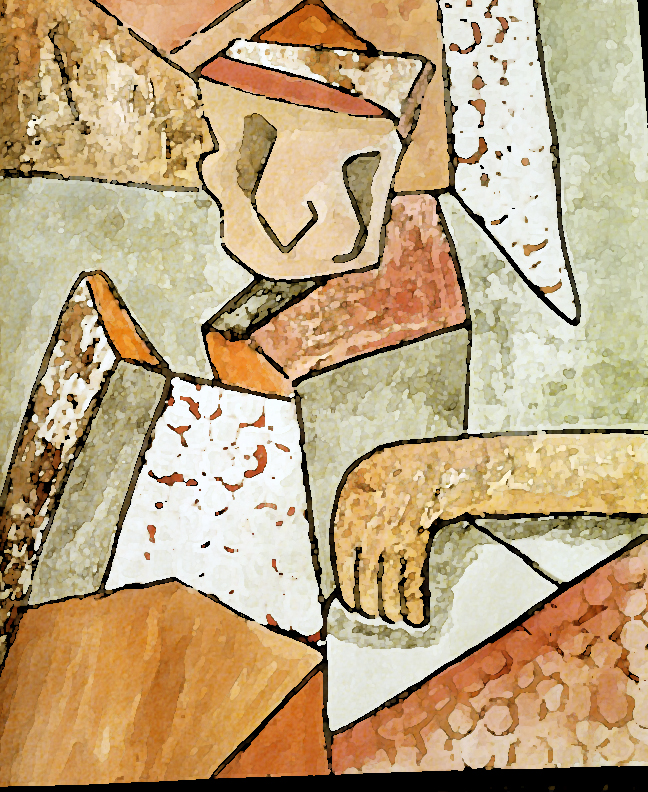
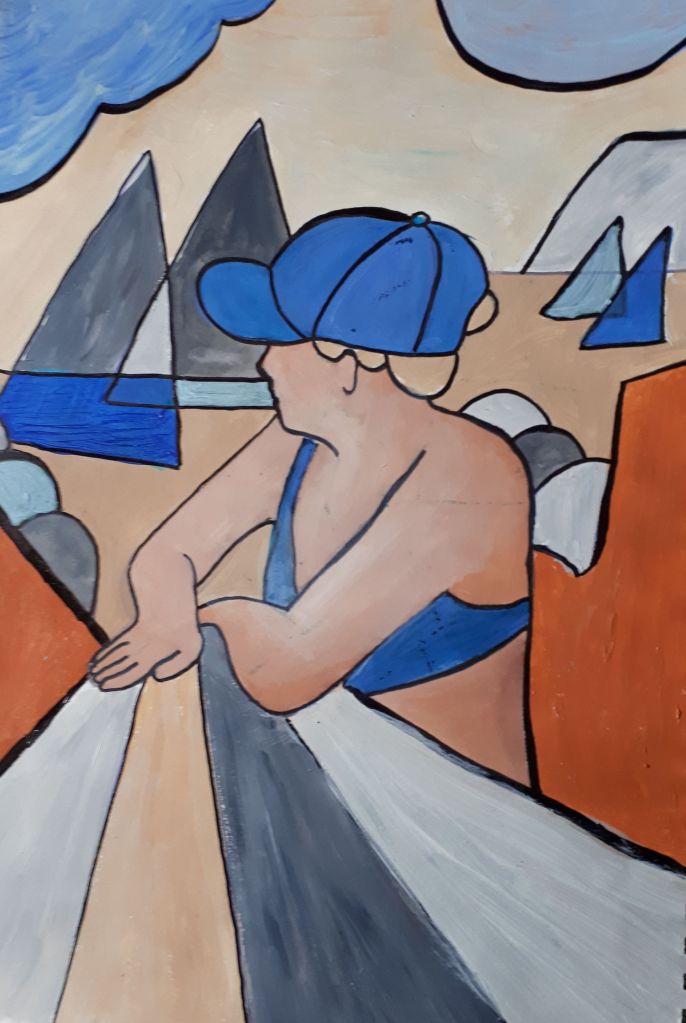
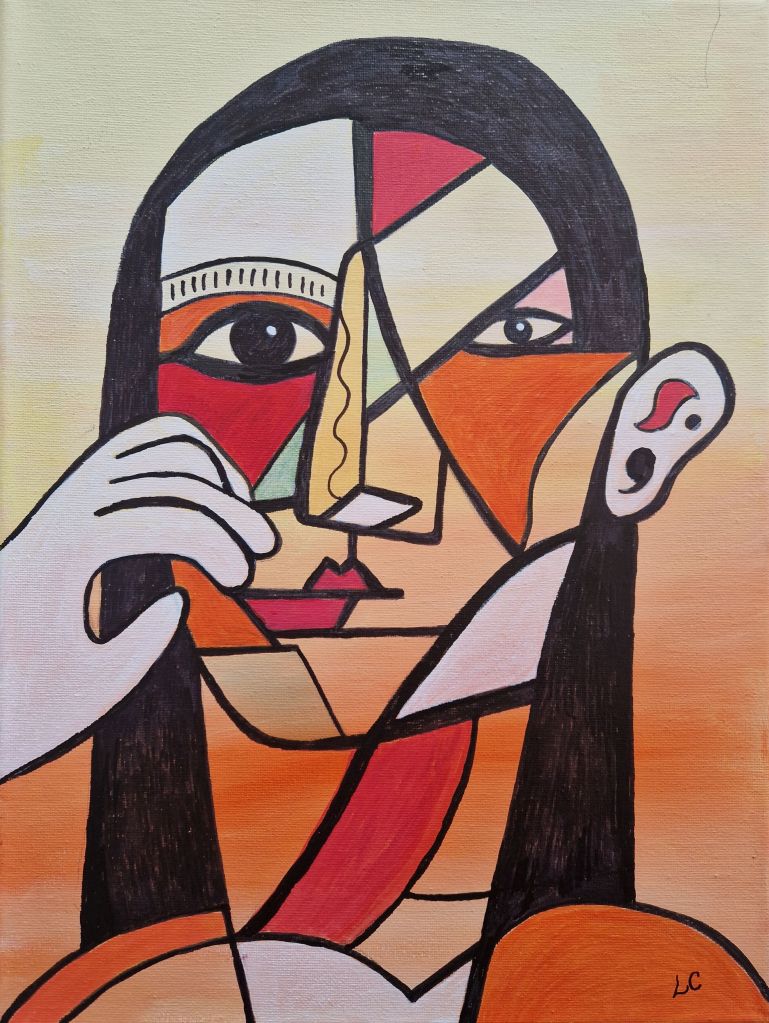
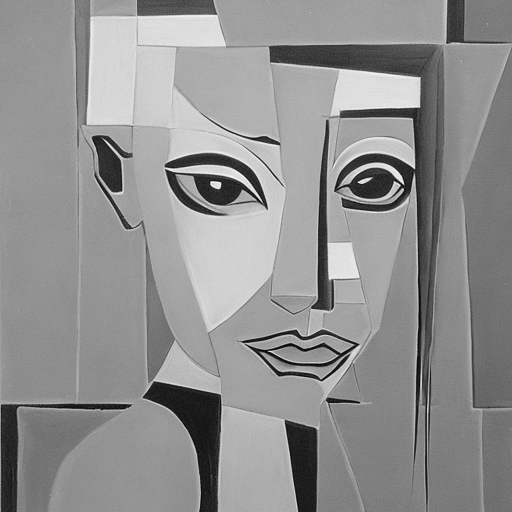
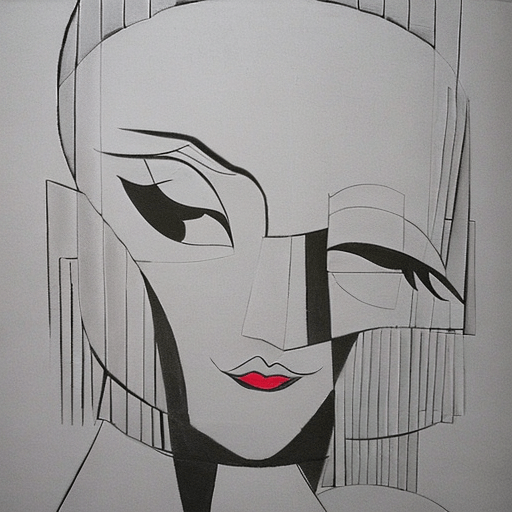
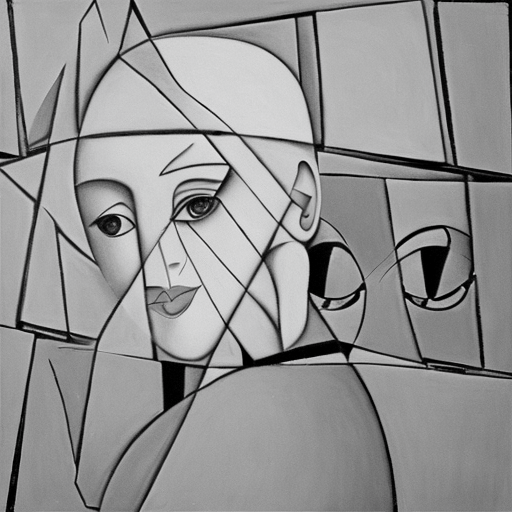
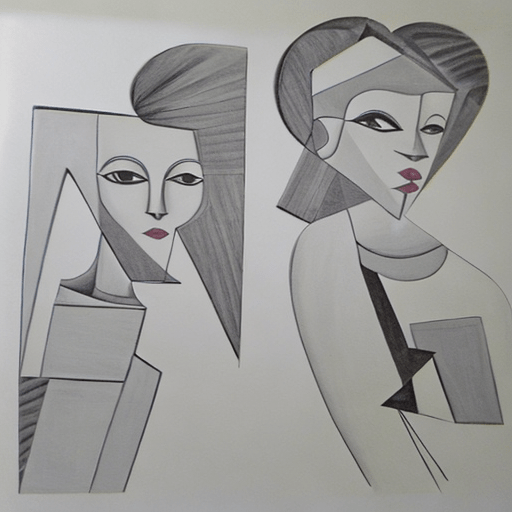
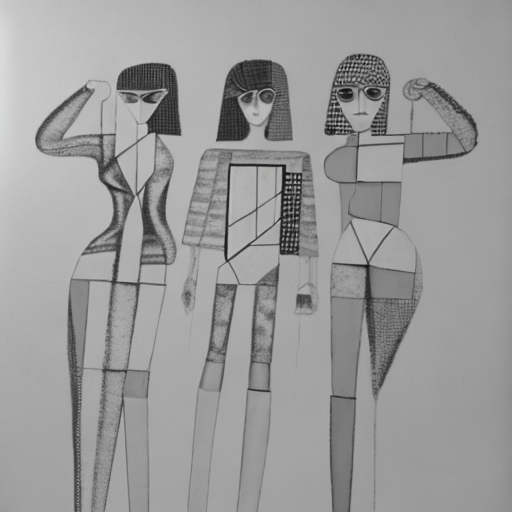
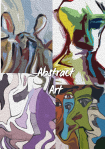
Cubism was a revolutionary new approach to representing reality invented in around 1907–08 by artists Pablo Picasso and Georges Braque. They brought different views of subjects (usually objects or figures) together in the same picture, resulting in paintings that appear fragmented and abstracted.

Acrylic pouring painting is the art of using fluid acrylics to pour onto a canvas or other surface to create unique abstract effects.







 Lesley's Art Blog